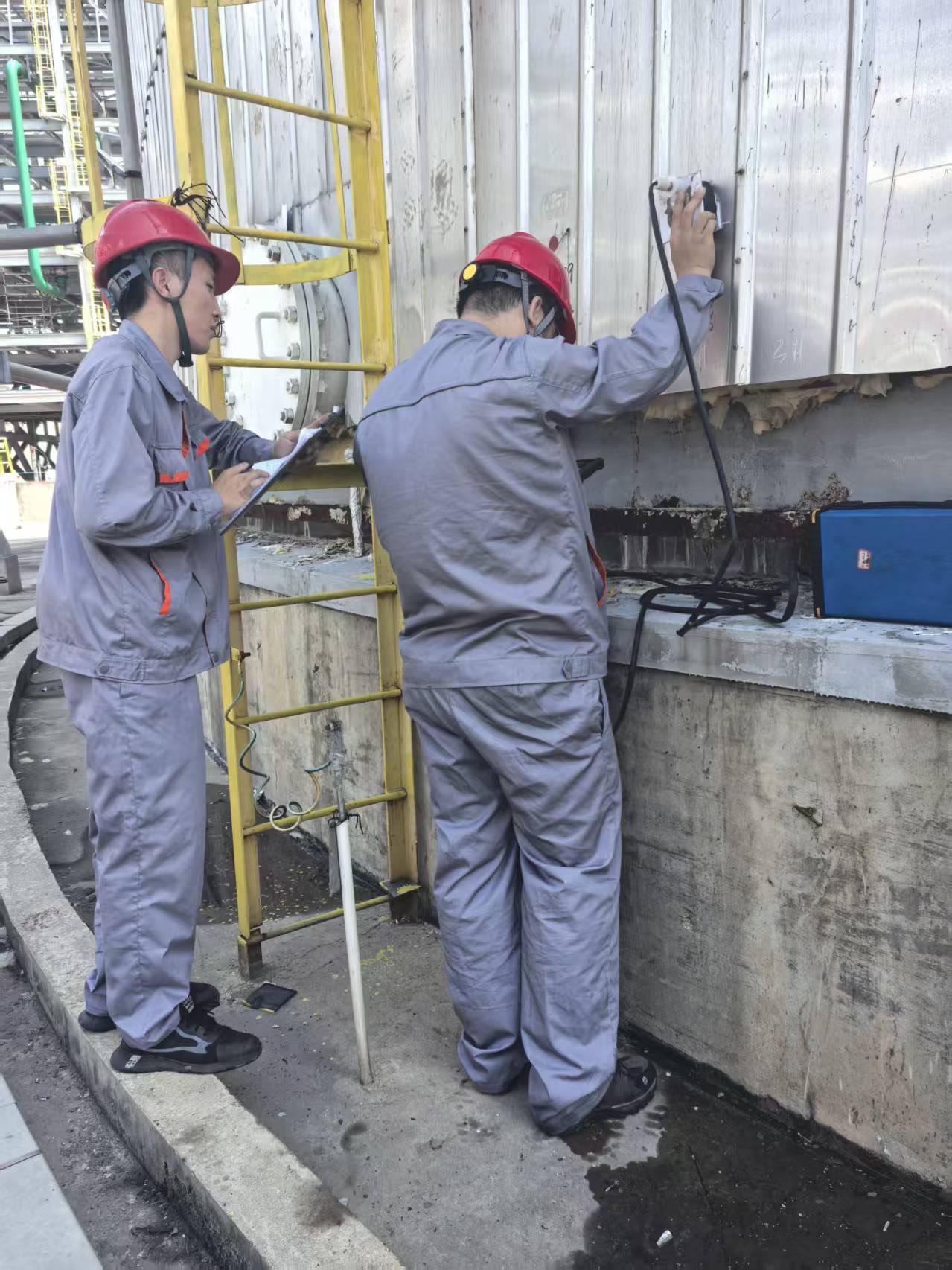
Insulated tanks and vessels
CUI screening on jacketed shells, near critical areas such as bases and stiffening rings.
Synvor × INCO Tech · Pulsed Eddy Current
INCOS-C01: pulsed eddy current for wall-thickness and CUI screening on pipes, vessels and tanks — through metal jacketing, with no couplant and with the component in service.
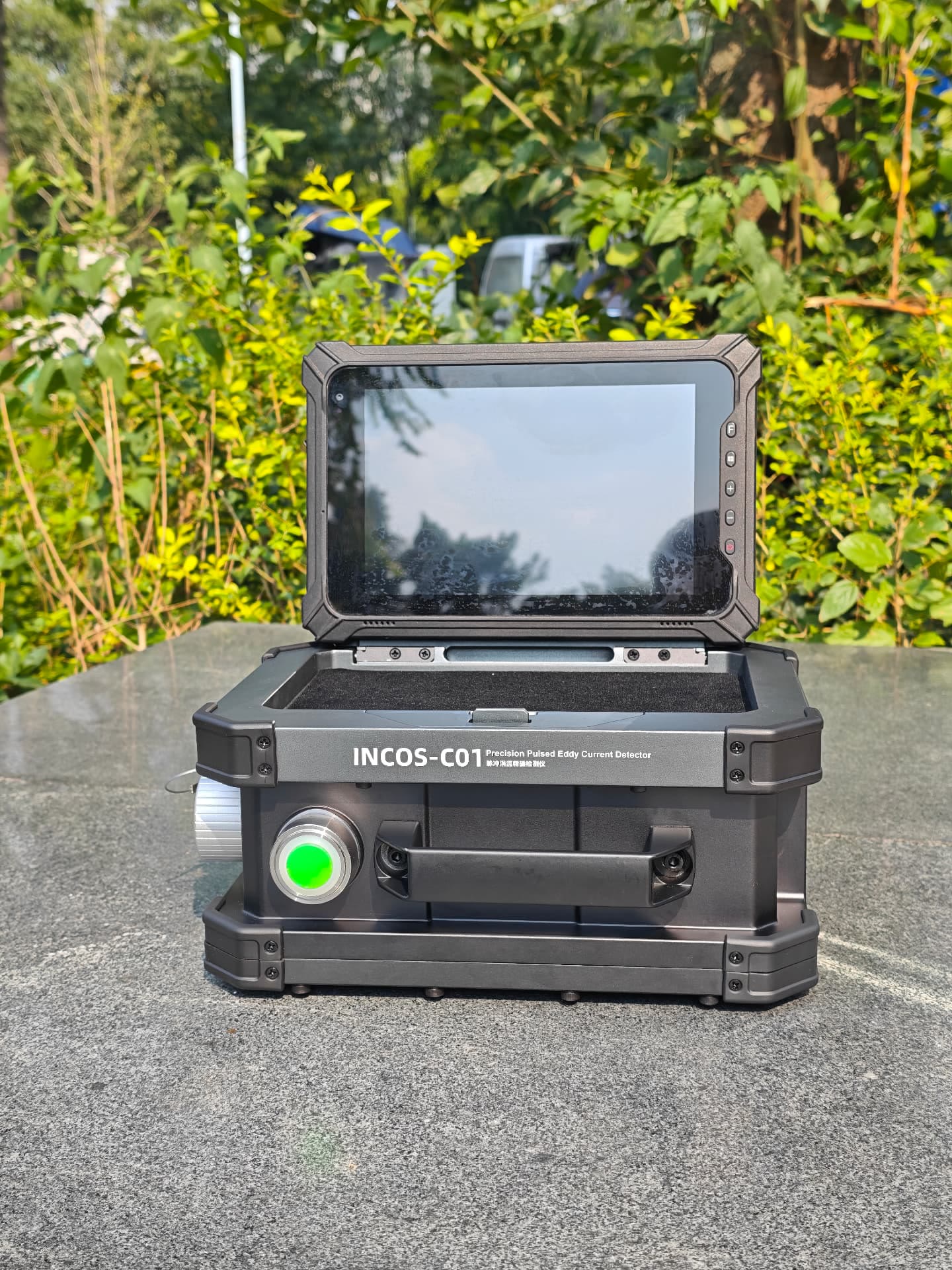
Data acquired over the metal jacketing, without removing mineral wool or cladding.
Electromagnetic coupling: no gel, no water, no surface preparation.
Assessment of hot lines in service, with no shutdown for cooling.
Ex marking declared by the manufacturer. ATEX/IECEx certificate to be confirmed per market.
Manufacturer demonstration test
Carbon-steel pipe with machined pits, covered by ~45 mm of insulation and metal jacketing. The probe scans over the jacketing; the thickness map shows the three metal-loss areas at their actual positions.
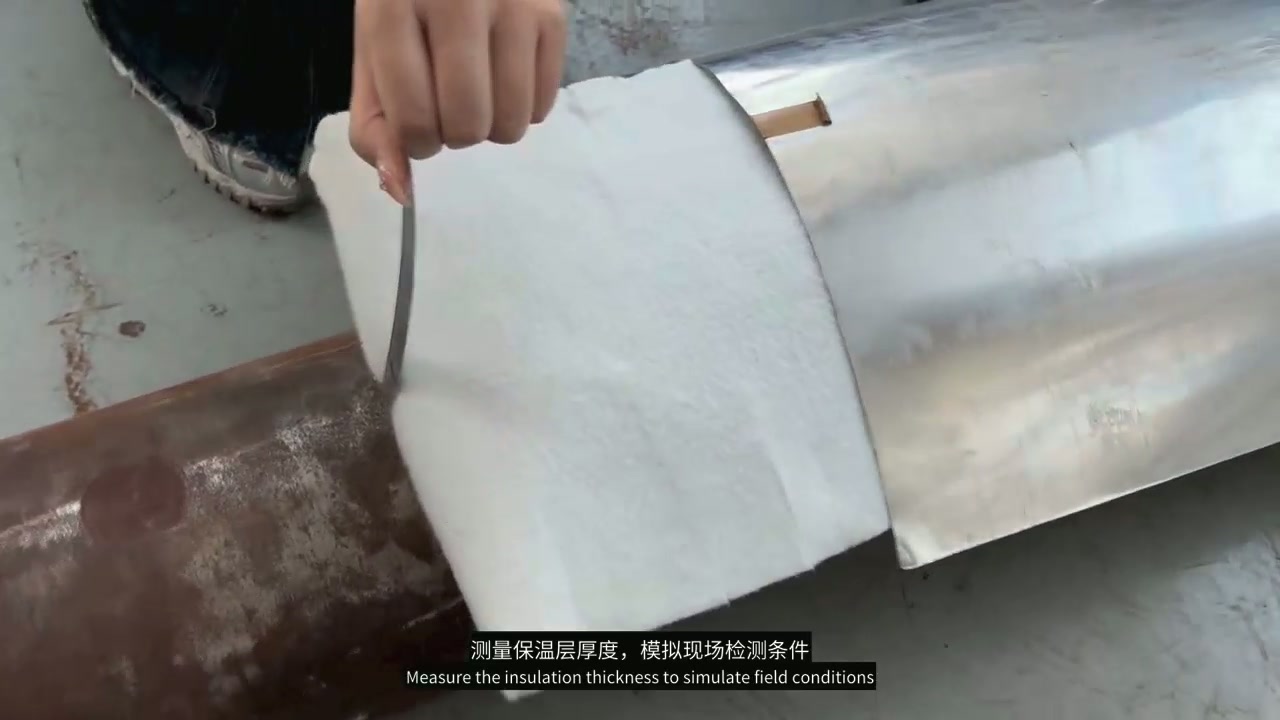
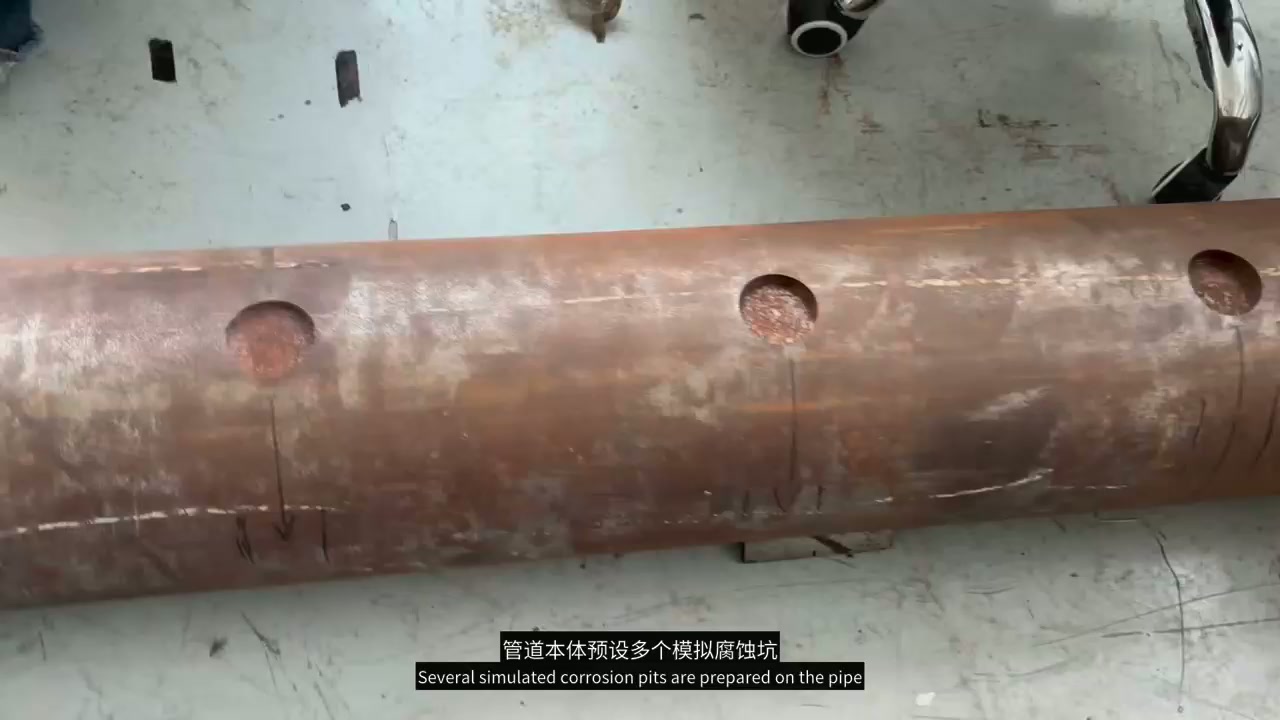
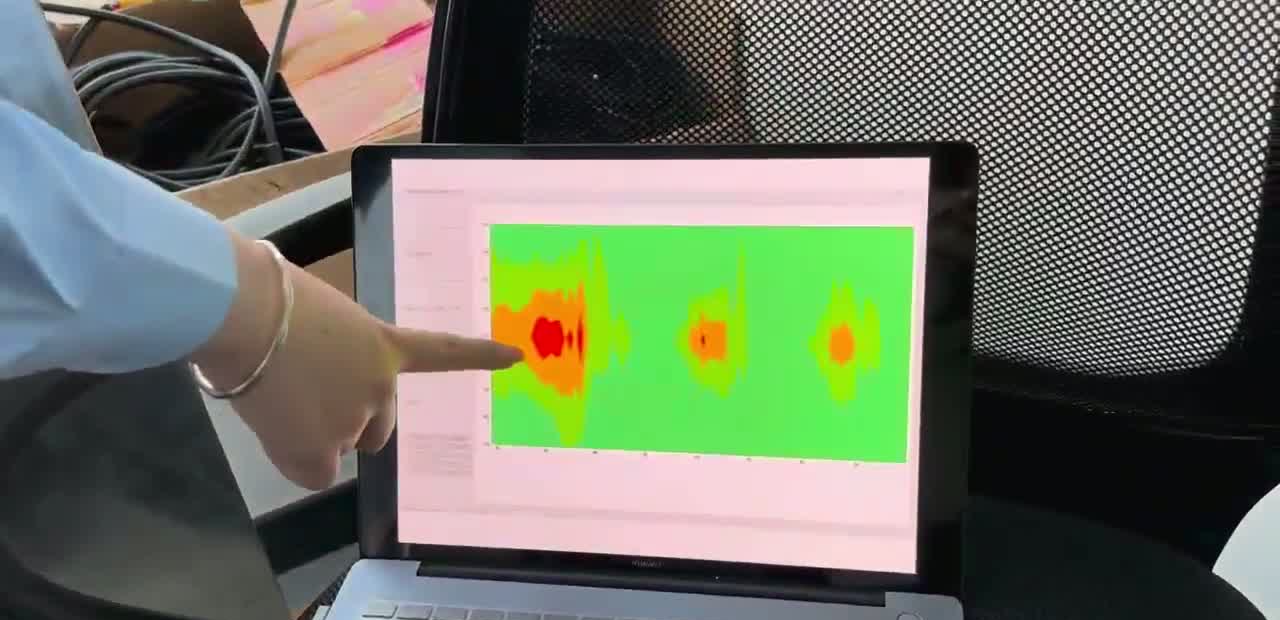
Bench test with simulated defects. Field performance depends on geometry, insulation and jacketing.
CUI screening on jacketed shells, near critical areas such as bases and stiffening rings.
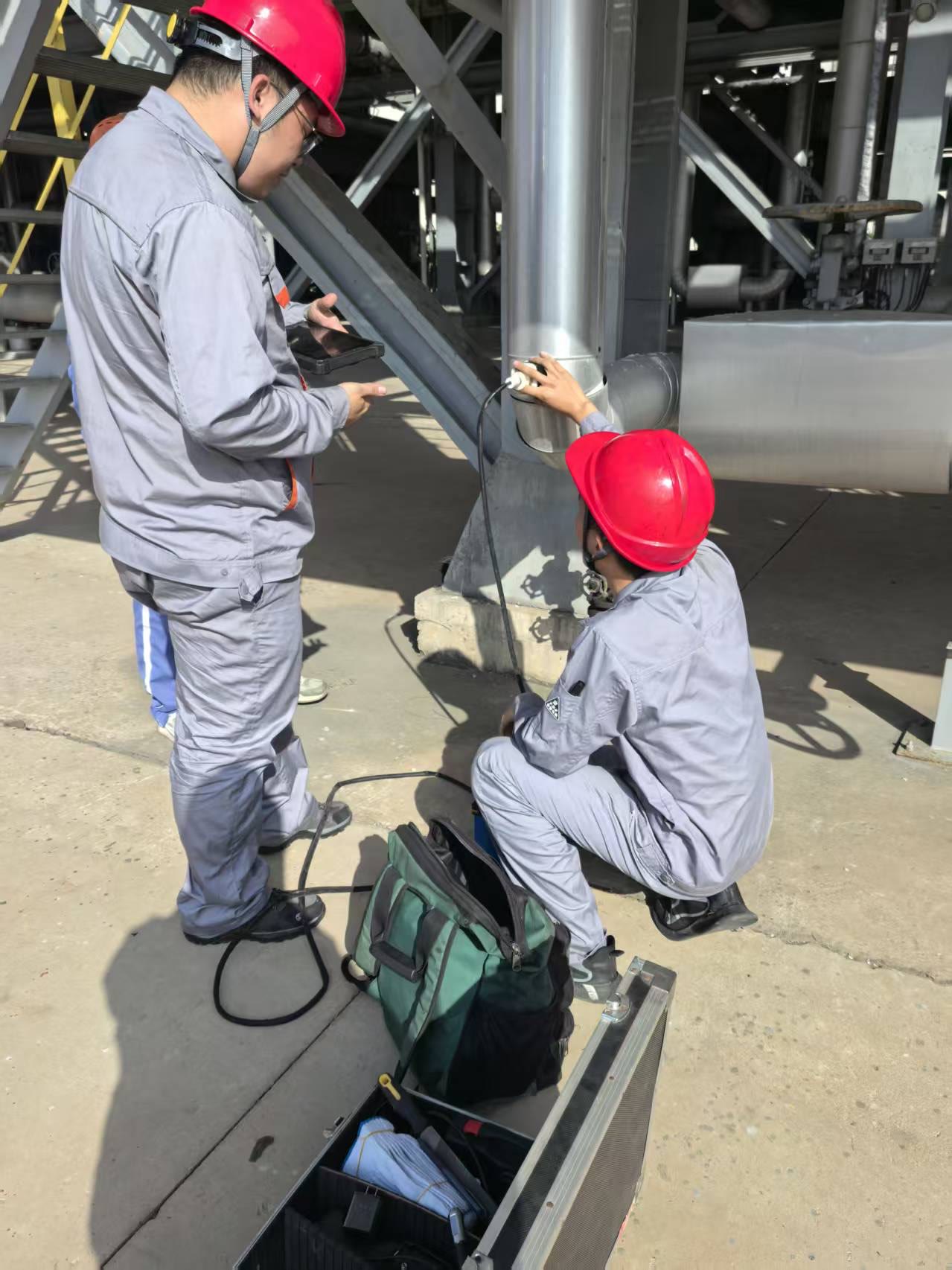
Bends, vertical runs and hot lines, from DN15 (½") depending on the probe.
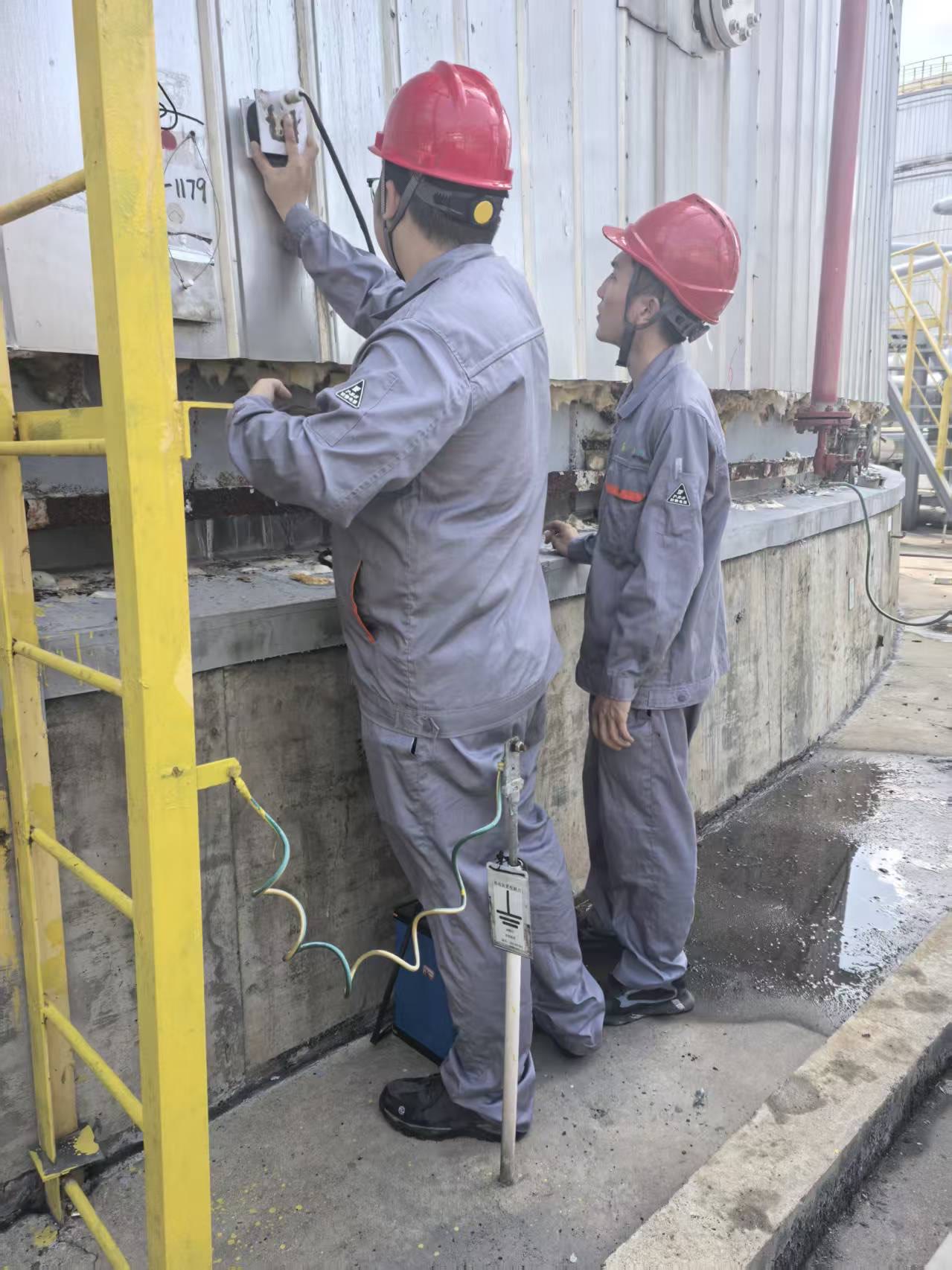
Average wall-thickness mapping to prioritise where to strip insulation and confirm by UT.
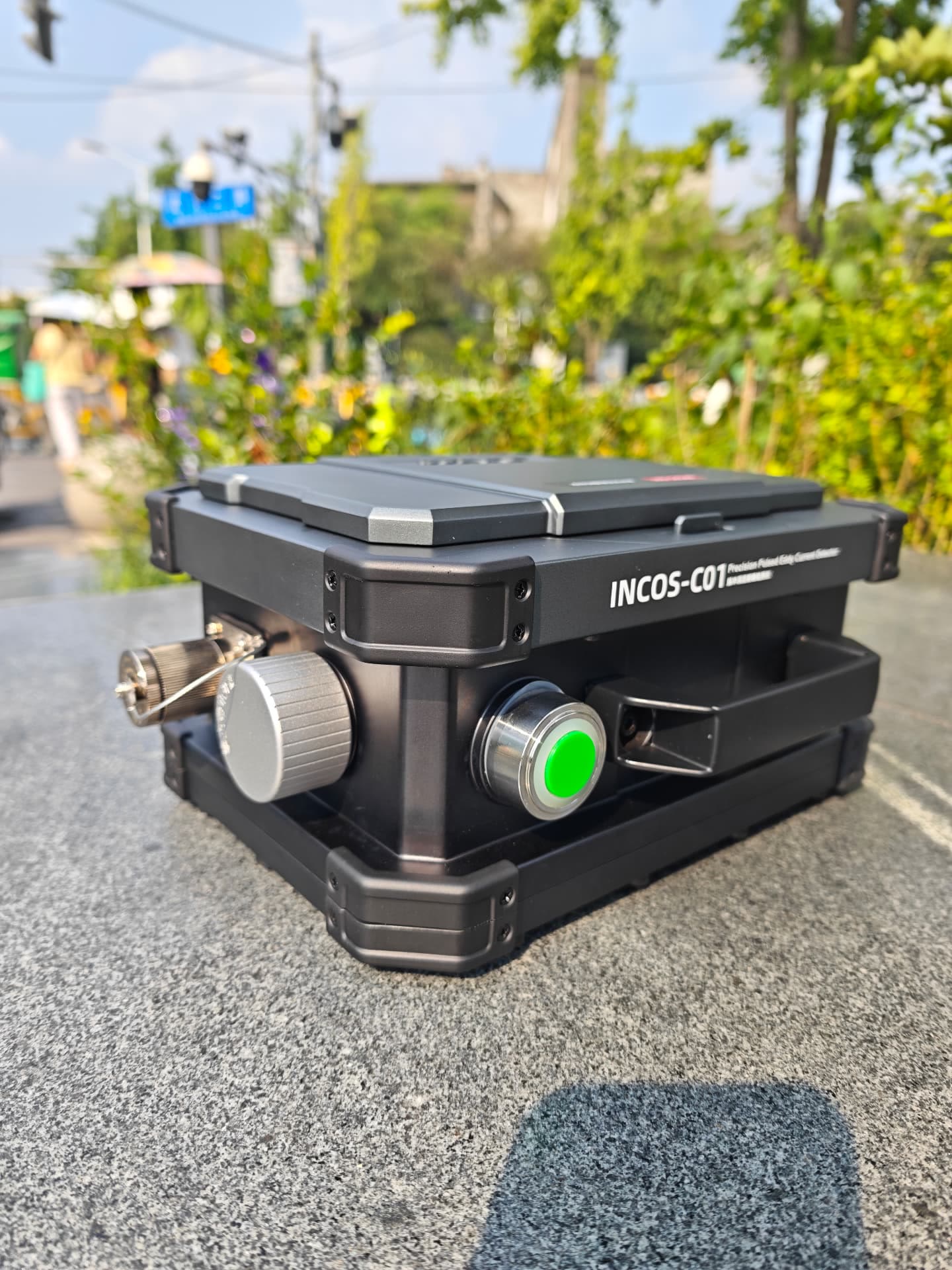
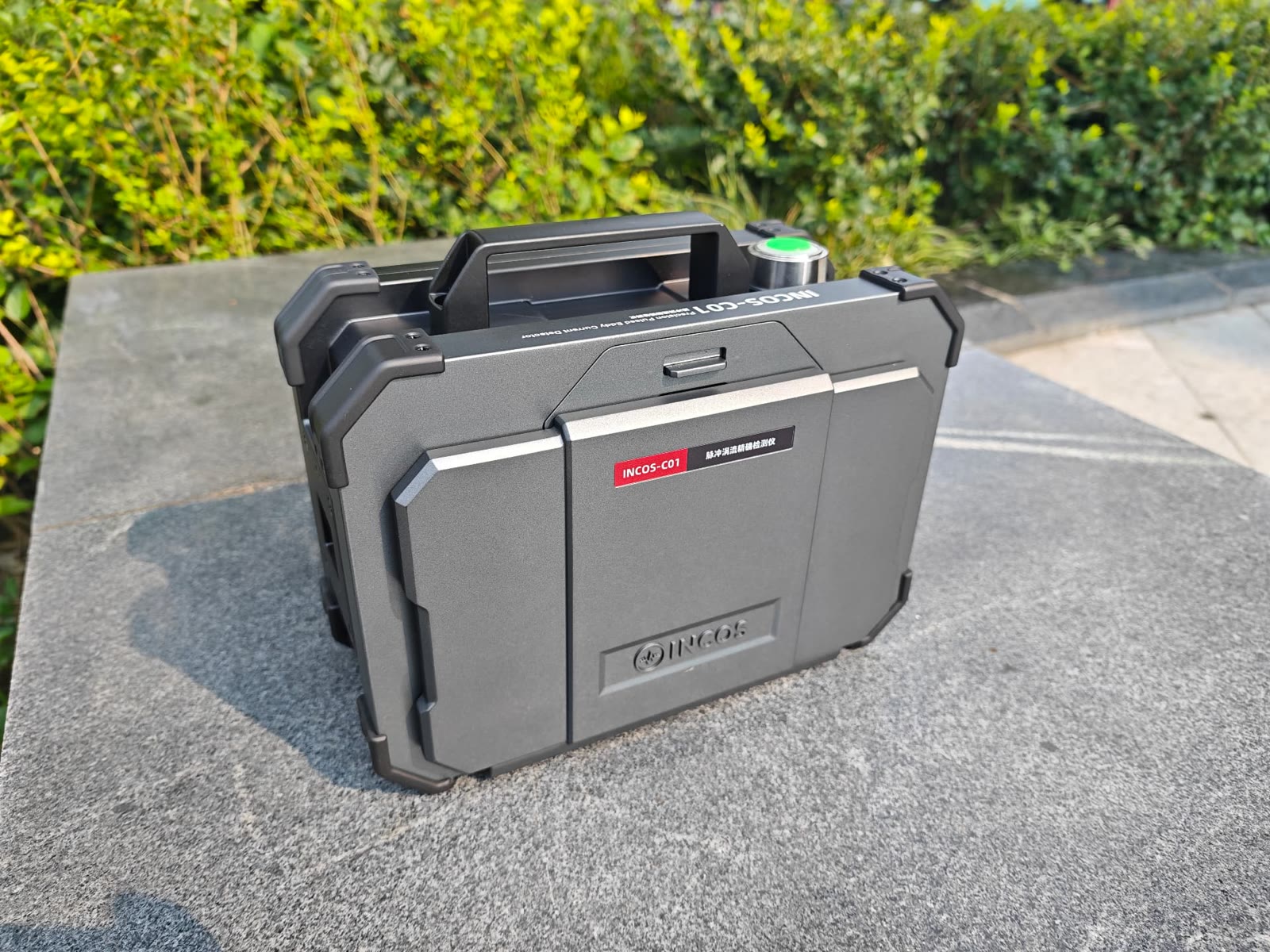
Data declared by the manufacturer.
| Principle | Pulsed eddy current (PEC) |
|---|---|
| Materials | Carbon steel, 16MnR, alloy steels (ferromagnetic); stainless steel, aluminium (non-ferromagnetic) |
| Surface preparation | Not required |
| Pipe diameter | ≥ DN15 |
| Component temperature | −30 °C to 500 °C |
| Thickness range | 1–25 mm (carbon steel) · 1–75 mm (stainless) |
| Accuracy | Average error up to 2% of wall thickness |
| Pulse frequencies | 0.5 · 1 · 2 · 4 · 8 · 32 · 64 Hz |
| Ex protection | Ex db IIB T4 Gb |
| Dimensions | 301 × 219 × 138 mm |
| Weight | 6.86 kg |
| Battery | Internal LiFePO4, ≥ 8 h continuous; service life 4–5 years |
| Data transfer | Wireless |
| Operating temperature | −30 °C to 70 °C |
| Power supply | 14.6 V, 1 A |
Technical framework of the method. The instrument is not "ISO certified": test compliance depends on the customer's qualified procedure and certified personnel (ISO 9712).
Initial reply within 1 business day · technical proposal within 48 hours.